Freight Performance: Shipper Scores Reveal What Freight Costs
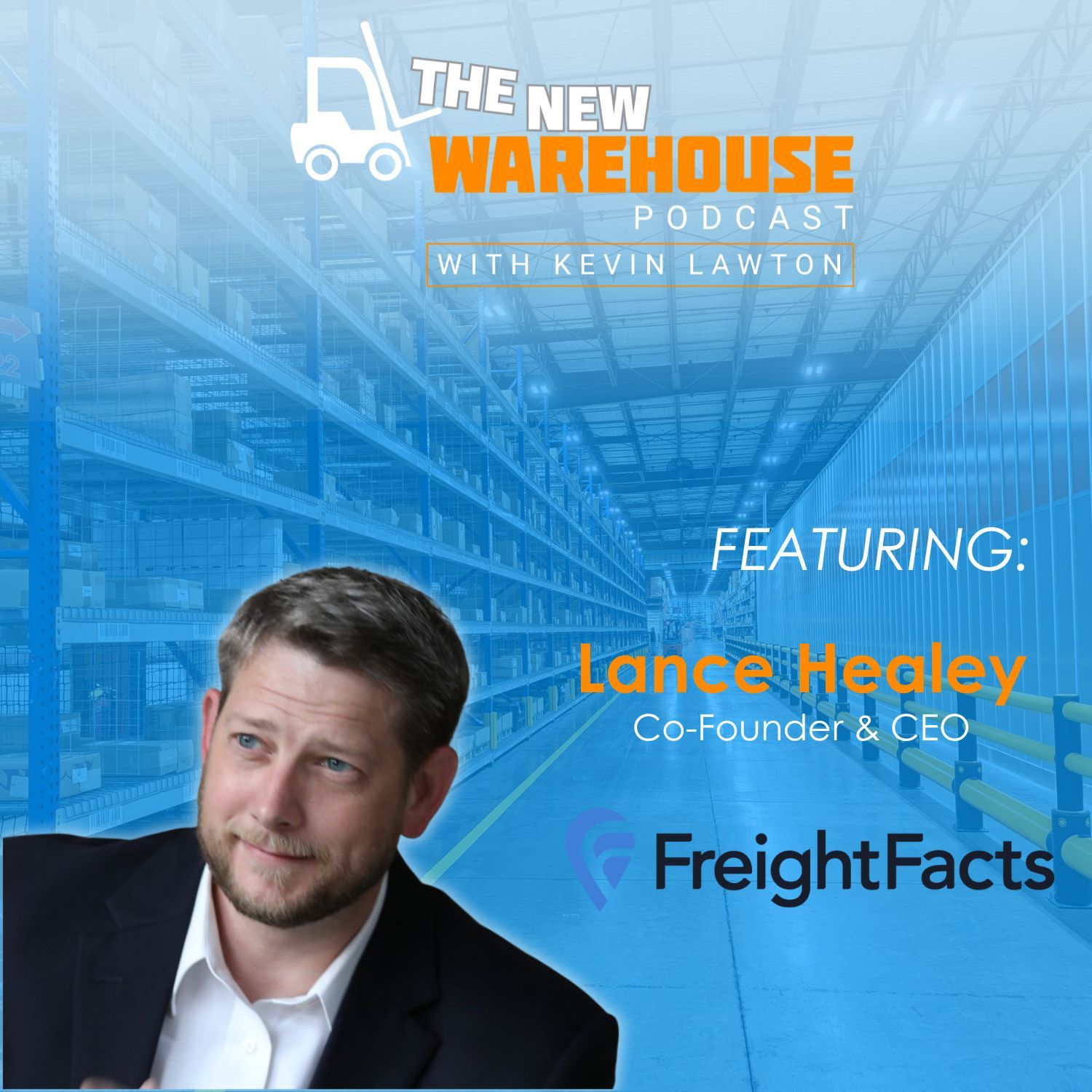
Welcome to this episode of The New Warehouse Podcast, where we take a closer look at freight performance. Guest Lance Healy, CEO and co-founder of Freight Facts, explains how shipper scores could reshape carrier relationships. His company turns carrier data into measurable insights about shipping operations. The conversation explores less-than-truckload transportation, warehouse accountability, and better rate negotiations.
Your Freight Network Extends Beyond Your Dock
A smooth-running dock tells only part of the story. Suppliers and customers also affect what carriers experience and charge. Healy explains how leaders can identify those hidden costs and improve performance across their networks, for warehouses and 3PLs, creating a practical starting point for change.
Healy delivers a useful reminder: “You’re only half of every shipment.” A well-managed warehouse cannot erase delays at a supplier’s dock or problems at a customer’s facility. Those locations still influence carrier pricing and the shipper’s costs. Healy describes the broader goal as “a network of choice, not just a shipper of choice.” This perspective gives warehouse leaders a reason to examine trading partners alongside their own facilities.
That visibility can change commercial decisions. Free freight may look attractive until a customer’s requirements make deliveries expensive. Shippers can use performance data to coach partners, assess fees, or reconsider freight policies.
Dwell Time Costs More Than Detention
Freight Facts uses approximately 24 data points, including dwell time, payment speed, and damage claims. Shippers authorize collection, but carriers supply the data. The company aggregates and anonymizes those inputs into a score, with different factors carrying different weights.
Healy identifies a major concern: “the big heavy hitters are billing exceptions.” Reweighs and reclassifications create work that can undermine carrier profitability. Dock delays carry another cost: fewer opportunities to complete pickups and deliveries. Healy explains, “The detention charge may not show up for 45 minutes or an hour and a half, but an LTL carrier wants to bump the dock and get out inside of 12 to 15 minutes.”
A 40-minute visit can therefore hurt productivity without triggering a charge. For warehouse leaders, avoiding detention does not prove the dock operates efficiently. Tracking actual dwell time reveals opportunities that invoices alone may miss. It also connects daily warehouse decisions to carrier economics.
Give 3PLs Evidence They Can Act On.
Shared warehouses and outsourced transportation complicate accountability. Freight Facts addresses that distinction directly. Healy explains, “There’s an account score and a location score.” Account measures cover factors such as payment behavior. Location measures reflect dwell time and facility requirements. A brand can own carrier contracts while a 3PL operates the warehouse, keeping responsibilities distinct.
The Freight Karma tool translates those measures into targeted improvements. Healy offers an illustrative dwell-time example: “If you improve those by just five minutes, your score is gonna go up 50 points.” He also describes a potential 25-point gain from paying bills three days faster. These examples show how recommendations could guide action; they are not universal scoring guarantees.
For 3PLs, the opportunity extends beyond reporting a number. They can coach customers, document progress, and support better carrier conversations. Measurable improvements give teams stronger evidence than broad claims about becoming easier to serve.
Key Takeaways
- Evaluate suppliers and customers alongside your own docks.
- Measure dwell time even when detention charges never appear.
- Treat billing accuracy and payment speed as transportation performance factors.
- Separate account responsibilities from warehouse performance.
- Use documented improvements to strengthen carrier negotiations and customer coaching.
Listen to the episode below and leave your thoughts in the comments.
Guest Information
For more information on Freight Facts, click here.
To connect with Lance Healy on LinkedIn, click here.
For more information about freight performance, check out the podcasts below.
The First 100 Feet: Where Most Warehouse Delays Begin