The First 100 Feet: Where Most Warehouse Delays Begin
This guest post was submitted by Chris Thompson of FMH Conveyors.
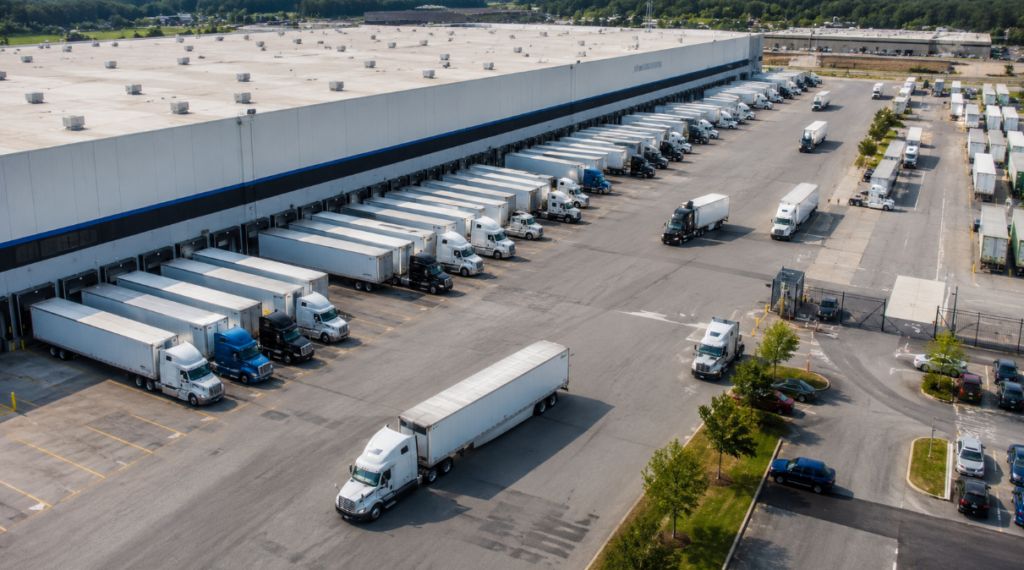
Most warehouse delays start at the dock rather than in storage aisles or picking zones. The first 100 feet, starting at the trailer nose and continuing to the point where inventory enters the system-directed flow, creates friction that ripples through the downstream process.
When teams struggle with dock scheduling, staging discipline, labor handoffs, and equipment flow, they are off schedule before the first ticket of the day prints. High-performing facilities treat those first few steps as a critical transition zone by standardizing truck turnaround expectations, designing staging as an extension of the warehouse management system (WMS), and aligning people, processes, and tools around a predictable flow of inbound and outbound moves.
When you tighten the execution in that space, you can reduce dwell time, protect carrier relationships, and give planners realistic service-level commitments. The payoff shows up as lower detention, steadier labor utilization, and fewer firefights for supervisors trying to recover from early-morning chaos.
What the First 100 Feet Really Covers
The first 100 feet contains the operational handoff zone where freight moves between the dock door and the structured warehouse flow. On the inbound side, it spans the trailer’s interior, unload zone, short-term staging, and the point where inventory transitions into put-away or crossdock tasks.
On the outbound side, it covers pick-face or buffer release into pre-load staging, trailer loading, and final checks before the doors close.
Within that zone, warehouses manage a significant mix of activities, including:
Carrier arrivals
- Trailer checks
- Linehaul time windows
- Yard movements
- Pallet and case handling
- Safety controls
- Real-time decisions about where freight goes next
Any breakdown, such as late trucks, unclear paperwork, misrouted pallets, or congested staging lanes, pushes variability into labor plans and service commitments.
Where Delays Start: Dock Scheduling and Visibility
Scheduling Discipline at the Door
Poor dock scheduling often turns the first 100 feet into a waiting room for trailers and people. When inbound and outbound appointments overlap without regard for door capacity, load type, or handling profile, docks sit idle during gaps or have unmanageable spikes. Schedulers need rules that factor average unload time by commodity, handling method, and required checks or labeling data docks.
Modern dock scheduling tools create a single source of truth for carrier appointments, yard moves, and door assignments, reducing blind arrivals and walk-up trailers. They integrate with WMS or TMS platforms, so supervisors see inbound order volume and outbound shipment demand before they commit to an aggressive amount of door activity.
That visibility allows planners to proactively rebalance, including shifting high-touch inbound loads away from heavy outbound waves or throttling appointment density around labor constraints.
Inventory and Trailer Visibility
Dock teams work faster when they know what’s coming. Advance shipment notices, trailer manifests, and consistent labeling reduce surprises in the unloading zone and staging area. When documentation lags or varies by shipper, crews spend extra time reconciling counts, chasing missing items, or reworking pallets that don’t match expectations.
Facilities that tie ASNs to specific doors and time windows gain early insight into product mix, temperature requirements, and special handling notes. They can pre-assign put-away tasks, reserve adequate staging space, and match skill sets, such as hazmat or cold-chain-trained operators, to the correct loads.
Staging: The Hidden Bottleneck Between Dock and Storage
A few lines painted on the floor, some pallet lanes, and a lot of shrink wrap make staging look simple; however, staging behaves as a high-traffic buffer that can absorb variability or amplify it. Overflowing lanes and improvised drop spots add travel distance, complicate forklift routing, and make it harder to find the right pallets when downstream tasks are released.
Instead of having a generic open space, effective facilities design staging around clearly defined flows, including:
- Receiving
- Crossdock
- Returns
- Exceptions
They limit dwell time, often with explicit maximums, so pallets don’t sit long enough to lose their system status or require recounts. Staging lanes align with WMS locations, scan points, and standard work instructions, ensuring that every move generates traceable inventory events instead of unrecorded shuffles.
Equipment plays a crucial role in staging 100 feet. When teams rely on forklifts for movement between the trailer and staging, they introduce more congestion and more opportunities for near misses.
Strategic use of tools such as an extendable conveyor can bring the flow directly to or from the trailer interior, which reduces manual touches, walking time, and forklift traffic.
Labor Coordination and the Dock’s Stop-and-Go Problem
Labor plans often assume a steady rhythm of arrivals and departures, but real docks face bursts of activity and unexpected idle time. When crews unload for 45 minutes and then wait for the next trailer or for receiving to catch up, productivity and morale can suffer.
Supervisors then scramble to redeploy operators away from the dock, only to pull them back when the next wave of trucks appears.
Breaking that stop-and-go pattern requires operations leaders to align labor groups around the full flow of the first 100 feet instead of a single task. Cross-trained teams rotate between unloading, staging, and initial put-away work based on live volume signals from WMS and dock scheduling systems. Clear playbooks define how many people move to each dock function when the process hits certain thresholds, such as trailer queue length, the number of pallets in staging, or the aging of inbound receipts.
Safety and ergonomics matter in this transition zone as much as throughput. Facilities that reduce bending, twisting, and long-distance manual carries at the dock report fewer injuries and less fatigue-related slowdown later in the shift.
Investments in better material flow, whether staged pallet jacks, lift-assist devices, or powered conveyors, pay off in minutes saved per trailer and in sustained performance during peak periods.
Equipment Flow: Matching Tools to Task in the Transition Zone
The first 100 feet has some of the highest equipment density in a warehouse, including forklifts crossing aisles, pallet jacks staging loads, and powered systems moving cases or parcels. Without clear paths and rules, those assets create micro-delays every time operations wait for access or navigate around poorly placed freight.
Leaders increase reliability by standardizing which equipment handles which segment of the flow. For example, powered conveyors or extendable conveyor solutions can take over repetitive case movement inside trailers and between dock and primary conveyor lines. At the same time, forklifts focus on pallet-level moves and higher-value tasks. This segmentation reduces unnecessary travel, lowers collision risk, and makes it easier to know how many pieces of equipment each shift truly needs.
Planned maintenance windows also matter. When a critical dock door or key conveyor segment goes down unexpectedly during a high-volume inbound wave, the facility often reverts to manual handling, adding minutes to each trailer and hours to the total dwell time. Coordinated maintenance schedules, supported by simple pre-shift checks at the dock, keep the first 100 feet ready for the heaviest loads instead of failing at the worst possible moment.
Bringing It All Together in the First 100 Feet
Warehousing, logistics, and supply chain teams achieve better performance when they treat the first 100 feet as a designed system rather than a collection of ad hoc tasks. Dock scheduling, staging layouts, labor coordination, inventory visibility, and equipment flow all intersect in that short stretch of floor. Small weaknesses compound into missed picks, late trucks, and strained carrier relationships. By tightening standards, investing in ergonomic material flow, and integrating dock operations more deeply with core systems, warehouses transform that zone from a chronic bottleneck into a durable competitive advantage.
Author bio: Chris Thompson is Senior Marketing Communications Manager, Material Handling Americas, at FMH Conveyors. With a deep understanding that industrial automation is the future of manufacturing, Thompson aims to present those possibilities to end users and distributors in a fun and informative way. Thompson combines a love for marketing and eye-catching graphic design with a passion for automated processes and machinery.
SOURCES
https://drive.google.com/file/d/1AWfSpHcuqQeo8MCmex6GPL-4KxlYOPXH/view
https://www.midwestawd.com/blog/inbound-vs-outbound-logistics/
https://www.c3solutions.com/blog-c3/inbound-vs-outbound-logisitics/
https://datadocks.com/posts/comprehensive-guide-to-manufacturing-logistics
https://fmhconveyors.com/products/telescopic-belt-conveyors/

Freight Performance: Shipper Scores Reveal What Freight Costs » The New Warehouse
[…] The First 100 Feet: Where Most Warehouse Delays Begin […]