The Math Behind Warehouse Automation Investments
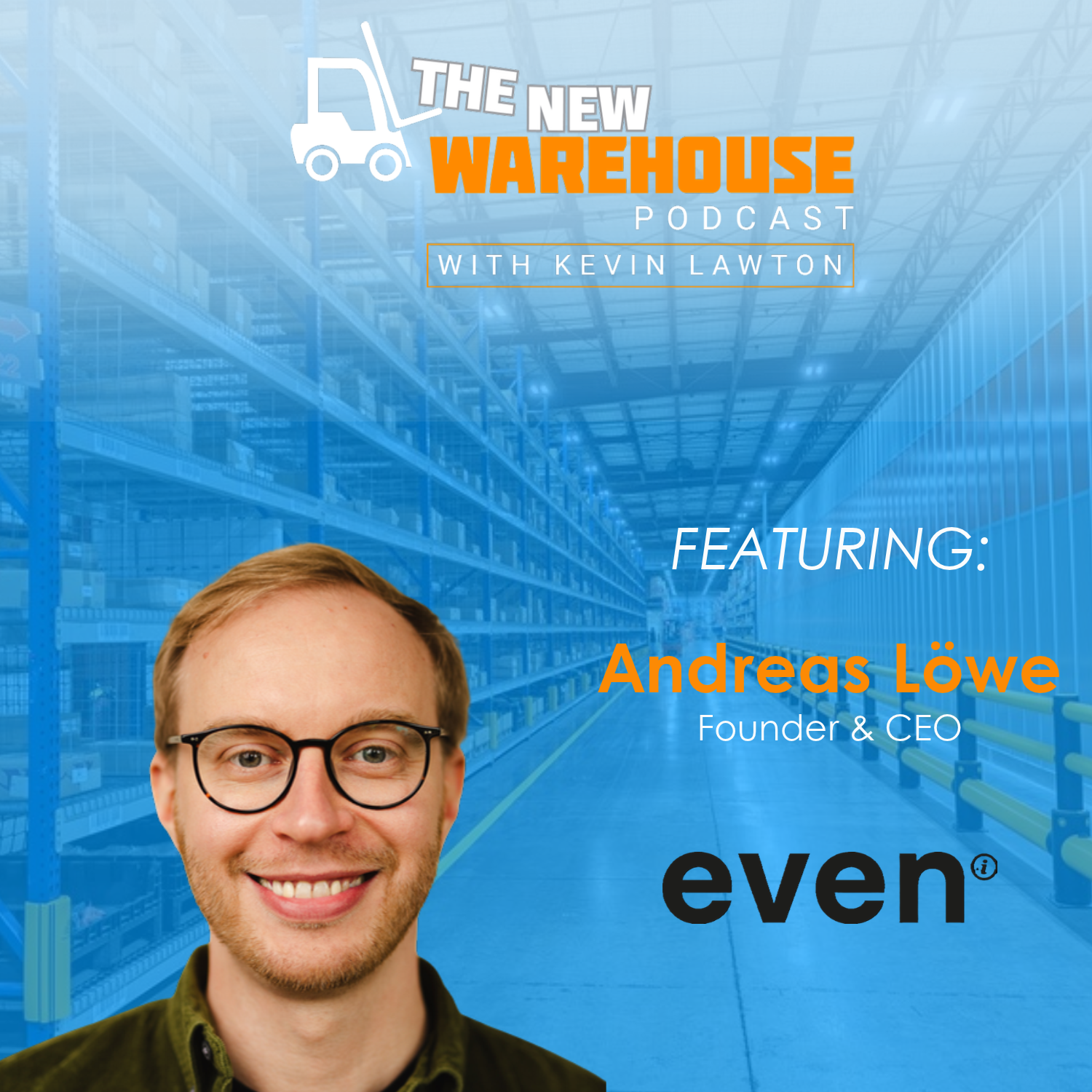
Welcome to The New Warehouse Podcast. In this episode, Kevin speaks with Andreas Löwe, founder and CEO of Even Logistics, about the challenges of evaluating automation investments and why the industry needs greater transparency and better planning tools.
Getting the Math Right Before Investing
A warehouse automation project might take just eight weeks to install, yet the decision to move forward can take a year. What’s slowing things down?
After years working on the automation vendor side, including at AutoStore, Löwe has seen how buyers approach new technologies. He believes “Most people don’t spend enough time on the mathematics of a project.” Buyers need to understand their warehouse data and examine the assumptions behind vendor proposals before determining which technology makes financial sense.
Their ability to manage changes, understand operational needs, and work with customers matters throughout the project. For Löwe, “That’s way more important than a piece of technology that sits there for like five, seven, ten years, whatever it might be.”
What Automation Case Studies Leave Out
Success stories rarely explain what went wrong during installation. Löwe questions whether these polished accounts reflect what happens during an automation project. “But is that reality? No. So projects do fail. Projects are complicated. The larger they become, the more complicated they are.” Without those experiences, warehouse operators may struggle to evaluate potential partners.
Löwe says referral commissions in his region commonly range from 3% to 5% of an automation project’s investment. Some comparison platforms also allow vendors to pay for greater influence in rankings. Even Logistics takes a different approach, allowing vendors to purchase promotional opportunities without buying favorable reviews or rankings. As Löwe explains, “There’s a difference between paying to reach an audience and paying to influence a decision.”
Why Automation Planning Takes So Long
Löwe sees another problem in how long it takes to evaluate automation projects. He describes sales cycles lasting twelve months or longer. “Everybody comes up with new numbers, and you can get our solution in six weeks, eight weeks. But then it takes twelve months to decide if that’s the right thing to do.”Some of that delay comes from repetitive engineering work.
Other times, warehouse data moves between spreadsheets, charts, presentations, and design software before anyone can evaluate a proposed layout. That frustration led Löwe to develop Venn. Venn software connects warehouse data analysis, layout development, investment calculations, and project proposals. Venn aims to capture not only project information but also the reasoning behind planning decisions.
Key Takeaways
- Start with the numbers – Accurate operational data and vendor assumptions should drive automation decisions.
- Evaluate the integration partner – Implementation experience and cultural fit matter beyond the equipment itself.
- Look beyond success stories – Customer reviews can expose project challenges that traditional case studies overlook.
- Reduce planning delays – Connected data and design tools can streamline technology evaluations and investment decisions.
Listen to the episode below and leave your thoughts in the comments.
Guest Information
For more information on Even Logistics, click here.
To connect with Andreas Löwe on LinkedIn, click here.
For more information about warehouse automation investments, check out the podcasts below.
The New Warehouse Amazon List: 7 Rules for Smarter Warehouse Automation
Warehouse Automation Strategy Starts with Software
Interact Analysis: Inside the 2026 Warehouse Automation Market