RFID Delivers Real-Time Package Intelligence for UPS
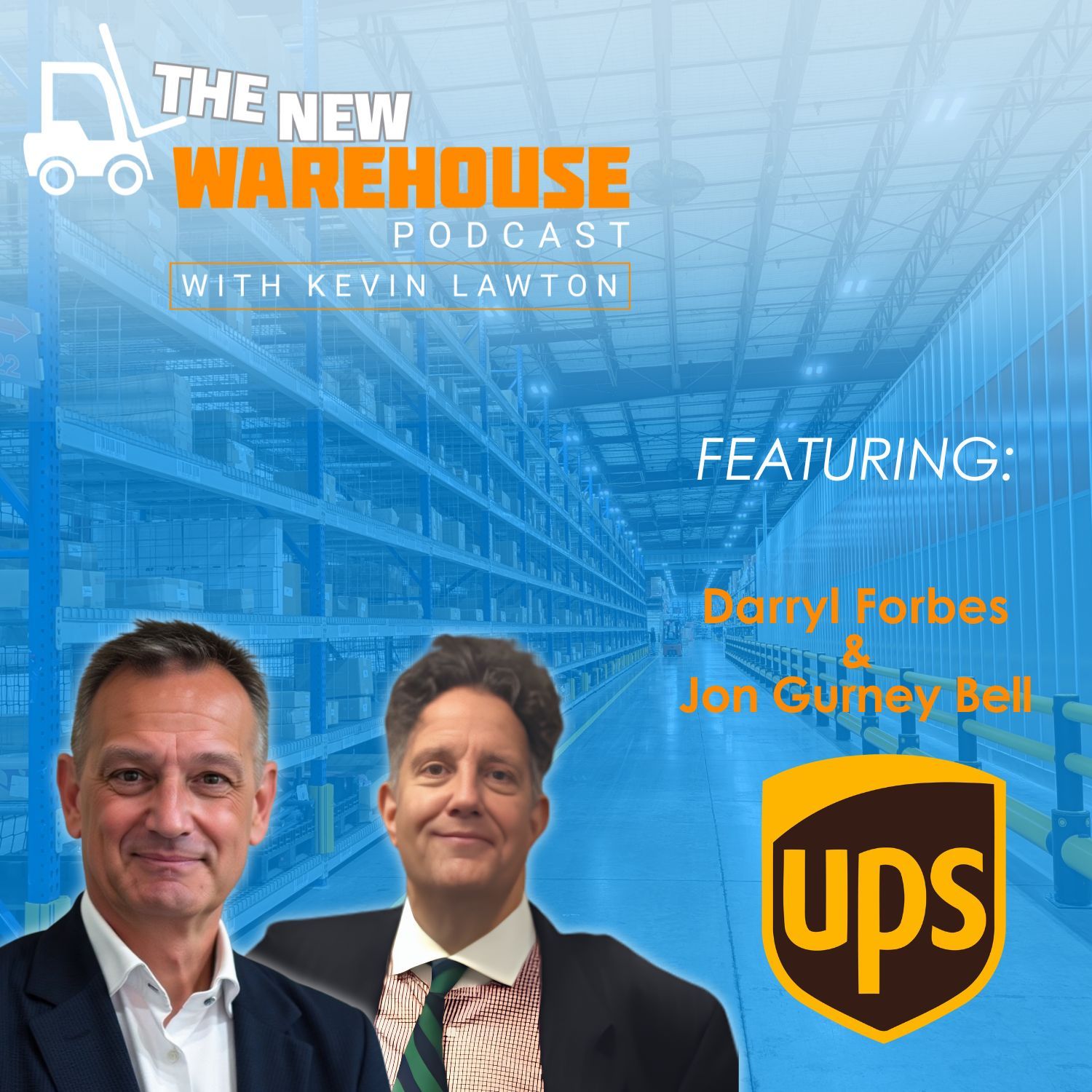
Welcome to this episode of The New Warehouse Podcast. At Supply Chain Point 2026, Kevin spoke with Jon Bell, of UPS’s Advanced Technology Group, and Darryl Forbes, Vice President of Operational Technology at UPS. UPS delivers millions of packages every day, making visibility, reliability, and customer experience critical to success.
In this conversation, Bell and Forbes discuss how UPS is leveraging RFID technology to move beyond traditional package tracking and create what they describe as a smarter, more connected network. The discussion explores how RFID is improving visibility, reducing misloads, creating new customer touchpoints, and laying the foundation for predictive supply chain operations powered by real-time data.
UPS Moves from Package Tracking to Package Precision
RFID has existed for decades, but UPS believes the technology has finally reached a tipping point. Costs have fallen, capabilities have improved, and the value extends far beyond simply knowing where a package is located. Bell explained that RFID provides customers with unprecedented visibility while helping UPS achieve new milestones throughout the package’s journey.
The company views RFID as a foundational shift in how packages move through its network. As Bell noted, “As we transition from a scanning-based network to a sense and respond-based network, we are going to be sensing more packages versus scanning them.” The operational impact is already measurable. Bell shared that UPS has decreased misloads nearly 70% by identifying packages placed on the wrong vehicle before they leave the facility.
Closing the Visibility Gap
For many shippers and consumers, one of the most frustrating parts of parcel delivery is the period between “Label Created” and the first carrier scan. During that window, there is often little indication that a package has actually entered the transportation network. UPS recognized that challenge early in its RFID initiative. As Forbes explained, “We knew that we had to tie the customer into that. So that’s what really unlocked our ability to get the program started.”
Using RFID-enabled printers and smart pickup equipment, UPS can now create a new visibility milestone before a package reaches a sorting facility. Forbes explained that “When that vehicle breaks the geo-fence, we create a new event called pickup.” That additional scan confirms that UPS has taken possession of the shipment and provides customers with a level of visibility that previously did not exist. The company is also expanding visibility events throughout its network, including loading, unloading, and exception management.
The rollout is already operating at significant scale. According to Forbes, 5,500 The UPS Store locations are fully RFID-enabled and UPS has been onboarding both enterprise and SMB customers. The response has been overwhelmingly positive. Forbes noted that “Our customers have shown an extreme amount of interest in what we’re doing” because RFID creates “fantastic new touch points that they’ve never seen before.” Rather than changing how customers consume shipment information, UPS is enhancing existing visibility platforms with richer data and more meaningful milestones.
The Future Is Data-Driven Supply Chains
The most compelling part of UPS’s RFID strategy isn’t RFID. It’s the data. While most discussions focus on tracking packages, UPS sees RFID as the foundation for a more intelligent and predictive supply chain.
As Bell explained, “The RFID chip is nothing more than a data vessel.” The real value comes from transforming that information into actionable insights. He emphasized this point by stating, “the people who are gonna win are the people that take that data and start doing decision-making with that data.”
UPS is already feeding RFID-generated data back to customers through APIs, visibility platforms, and shipment tracking systems. Looking ahead, Bell believes the industry is moving toward a future where supply chain events become increasingly predictable. He stated, “With enough data in the right format, everything in the supply chain becomes predictable.”
Key Takeaways from UPS
- RFID eliminates the gap between “Label Created” and package pickup.
- UPS has already enabled RFID across 5,500 The UPS Store locations in the U.S.
- SMB and enterprise customers are actively using the technology.
- RFID-generated data is being delivered through existing customer visibility platforms.
- UPS views RFID as the foundation for predictive supply chain operations.
- UPS believes better data will lead to more reliable and predictable supply chains.
Listen to the episode below and leave your thoughts in the comments.
Guest Information
For more information on UPS, click here.
To connect with Jon Gurney Bell on LinkedIn, click here.
To connect with Darryl Forbes on LinkedIn, click here.
For more stories like this one from UPS, check out the podcasts below.
Dude, Where’s My Stuff? Sonaria Answers that Question with RFID